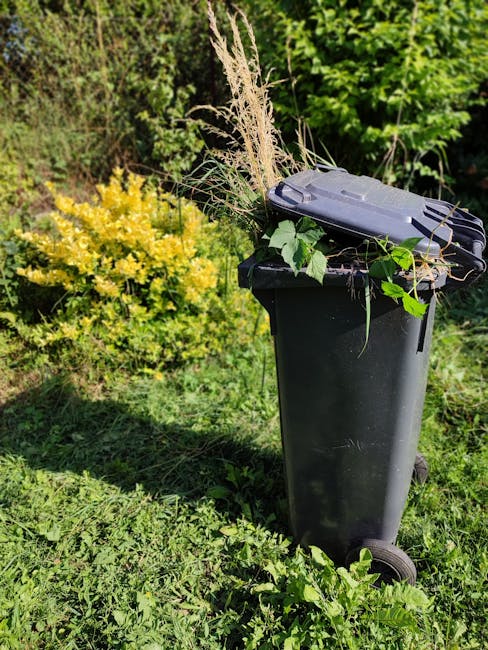
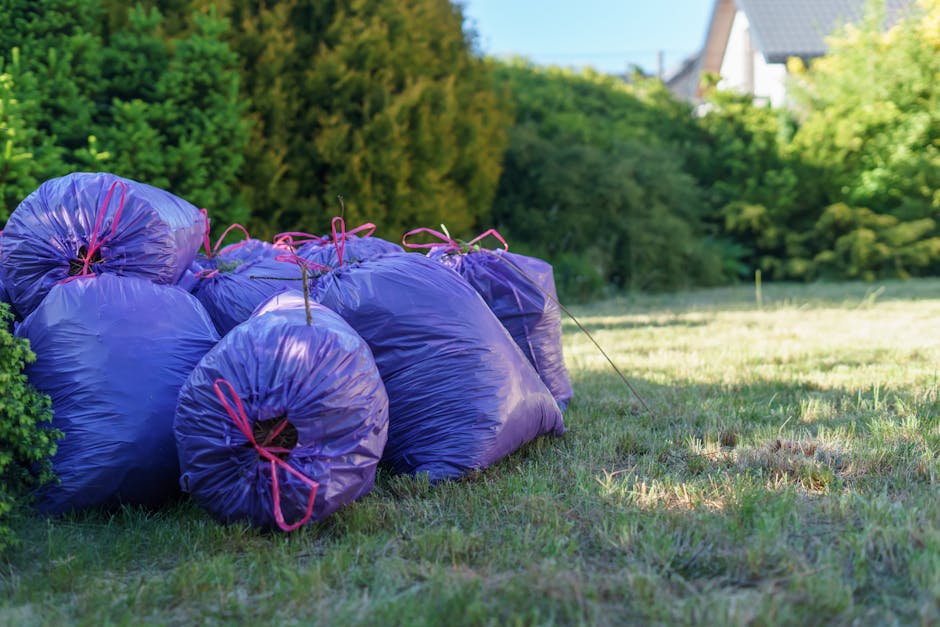
Garden waste rules from Longlands council what to know
If you have ever stood in the garden after a tidy-up, staring at a pile of hedge cuttings, grass clippings, and stubborn branches, you will know the question that comes next: what am I actually allowed to do with all this? That is where Garden waste rules from Longlands council what to know becomes genuinely useful. The rules may feel dull on paper, but in real life they save time, avoid confusion, and help you keep your garden clean without creating a mess at the kerb or an awkward knock on the door from a neighbour. In this guide, we will walk through the practical side of garden waste handling, what usually counts as green waste, how collections and storage tend to work, where people go wrong, and how to stay on the right side of local expectations without overthinking it.
To be fair, most homeowners do not need a law degree for this. They just need clear, usable advice. So let's keep it plain-English, local, and useful.
Why Garden waste rules from Longlands council what to know Matters
Garden waste is one of those things that seems simple until it isn't. A few grass cuttings are harmless, then suddenly you have bagged leaves, ivy, hedge trimmings, and a branch too thick for the compost heap. If your disposal method does not match local rules, the result can be missed collections, a cluttered driveway, or waste that sits around long enough to attract pests and damp smells. Not ideal.
The real value of understanding local garden waste rules is not just compliance. It is smoother garden maintenance. It also helps you plan pruning, lawn care, and seasonal clear-outs in a way that feels manageable rather than chaotic. If you are already keeping on top of a larger outdoor space with regular garden maintenance, knowing how to separate and prepare green waste is a small habit that makes a big difference.
There is another angle too: garden waste is often a resource, not just rubbish. Properly handled, it can become compost, mulch, or a material for low-impact landscaping. That is why a neat, informed routine is so much better than the old "pile it by the fence and hope for the best" approach. We have all seen that pile. It rarely ages gracefully.
Expert summary: treat garden waste as a managed stream, not an afterthought. Sort it, store it neatly, and choose the disposal route that fits the material. The fewer surprises in the pile, the easier the whole job becomes.
How Garden waste rules from Longlands council what to know Works
While exact council processes can vary, the basic model is usually familiar across UK local authorities. Garden waste is separated from general household rubbish, placed in the right container or collection point, and kept free from contamination such as plastic bags, soil-heavy rubble, or food waste unless specifically permitted. That sounds obvious, but in practice it is where most household errors happen.
In everyday terms, you are usually dealing with three broad routes:
- Kerbside collection for suitable green waste, often in a dedicated bin or sack.
- Home composting for soft plant material and small volumes of organic matter.
- Private removal or reuse for bigger clear-outs, woody material, or mixed waste from major garden work.
For homeowners doing a full seasonal tidy, the best approach is usually to separate waste as you go. Put grass and leafy cuttings aside from woody stems. Keep invasive material apart. Dry out dense green waste before bagging it if possible. That little bit of prep reduces smell, weight, and the chance of problems at collection time.
If the work has got beyond a simple tidy-up, it can help to combine waste planning with broader outdoor work such as gardening services or tree surgery, especially where branches, stumps, or heavy prunings are involved. The larger the job, the more important it is to know what must be kept separate.
Most people also underestimate how weather affects garden waste. A wet week turns light clippings into heavy, soggy bags. A windy day can blow loose trimmings across patios and paths. That is why timing matters. If you want practical ideas for keeping the rest of the outdoor space under control during rough conditions, the guide on keeping your garden safe from severe weather is worth a look too.
What usually counts as garden waste
In most cases, garden waste includes soft, organic material from normal upkeep: grass cuttings, leaves, plant trimmings, hedge clippings, flowers, small twigs, and weeds. Some councils also accept small branches, but size limits often apply. Thick timber, treated wood, soil, stones, rubble, plastic plant pots, and food scraps are often treated differently, so it pays to check carefully rather than guess.
One simple rule of thumb: if it grew in the garden and is untreated, it is probably garden waste. If it is hard, manufactured, or contaminated, it probably is not.
Key Benefits and Practical Advantages
Following garden waste rules properly gives you a lot more than a tidy collection point. It helps with rhythm, routine, and cost control. Sounds a bit boring? Maybe. But boring can be brilliant when it saves you two trips to the tip and a half-melted pile of grass sitting in the sun.
- Cleaner outdoor spaces: no stray cuttings, no overfilled bags, no windblown leaves spreading back across the path.
- Less risk of contamination: mixed waste is one of the most common reasons collections go wrong.
- Better composting potential: sorted material is easier to recycle naturally at home.
- More efficient garden work: when waste has a home, the job gets done faster.
- Fewer complaints or disputes: neat storage and timely removal are simply better for neighbours and shared boundaries.
There is also a design benefit, which people often miss. If your waste routine is organised, it is easier to maintain clean edges, healthy lawns, and well-shaped beds. That matters whether you are building a simple planting scheme, using ground cover plants for UK gardens, or keeping paths and borders easy to manage with a low-maintenance approach.
And if you are trying to save money on maintenance, waste handling is part of the equation. A tidy system reduces the need for emergency clear-ups and makes it easier to plan work around a sensible schedule, like the ideas in simple low-maintenance garden ideas.
Who This Is For and When It Makes Sense
This topic matters for more people than you might expect. It is not only for keen gardeners with compost bins and pruning shears hanging in the shed. It is for anyone who trims a hedge, cuts a lawn, clears autumn leaves, or deals with an overgrown patch after a few busy months.
- Homeowners who do their own garden upkeep and want to avoid disposal mistakes.
- Landlords and property managers who need outdoor areas left tidy between tenancies.
- Families managing a shared garden and trying to keep bins and piles under control.
- New gardeners who are still learning what belongs in which waste stream.
- People with larger gardens where seasonal cut-backs create more waste than a standard bin can handle.
If you have recently taken on a neglected plot, the waste question becomes even more important. Large volumes of brambles, ivy, and tangled growth need a more deliberate plan. A practical place to start is the advice in rescuing an abandoned garden, because waste handling is often part of the first real clean-up.
It also makes sense if you are creating a child-friendly or pet-friendly space. Loose prunings, broken stems, and hidden piles can be messy at best and unsafe at worst. For that kind of project, the related guidance on designing a garden for children and making a pet paradise in your backyard can help you think beyond just disposal.
Step-by-Step Guidance
If you want a simple routine that works in real life, follow this process. It is not fancy, but it is effective.
- Sort the waste as you go. Keep soft green material, woody cuttings, soil, and mixed rubbish separate from the start.
- Remove contamination. Shake off plastic ties, plant labels, stones, and packaging. Wet compostable waste is fine; dirty mixed waste is not.
- Cut bulky material down. Long hedge trimmings and branches take up far more space than they need to. Smaller pieces are easier to bag, compost, or collect.
- Choose the right route. Decide whether the waste will go into a green bin, a compost heap, or a removal service.
- Store it safely. Keep bags off pathways and away from standing water. In wet weather, breathable storage can help reduce smell and rot.
- Put collection out correctly. If you have a scheduled collection, place waste where it can be lifted easily and in the correct container format.
- Use or dispose of leftovers promptly. Do not let a second pile quietly appear. It always does, somehow.
A useful extra habit is to split pruning into smaller sessions. Instead of one giant Saturday clear-out, do a little each week. This is especially handy if your garden has dense planting or awkward corners. A lot of people find that pairing waste sorting with regular tools and a predictable routine makes the whole job feel lighter. If you are still building your toolkit, the article on key tools for every avid gardener is a solid companion piece.
Simple waste-sorting example
Imagine you have cut a hedge, mown the lawn, and pulled up a few weeds. The sensible split would be: grass cuttings together, hedge clippings together, weeds separately if they are seeding heavily, and any plastic plant supports removed immediately. That one habit alone can save a surprising amount of time.
Expert Tips for Better Results
There are the basic rules, and then there is the stuff that makes the process smoother week after week. In our experience, the difference is usually about timing, moisture, and consistency.
- Dry material before bagging where possible. Light, dry clippings are easier to handle than heavy, sodden ones.
- Do not overpack bins or sacks. If a bag bursts, you have just created more work for yourself.
- Keep invasive growth separate. Plants like ivy can be persistent, and you do not want bits spreading back into compost or beds. For tougher cases, see this approach to ivy removal.
- Use compostable waste wisely. Soft clippings and leaves can be brilliant for compost, but woody stems break down more slowly.
- Plan around weather and collection days. A dry spell can make moving waste easier. A wet one, not so much.
One small but important tip: do not let waste management become the thing that puts you off keeping the garden nice. A ten-minute tidy after each session is far more realistic than a heroic end-of-month clear-up. Honestly, few people enjoy wrestling a full garden sack at dusk.
If your garden faces real exposure to wind, it helps to store loose material in sheltered spots. The article on wind management in gardens offers helpful context for reducing blow-away debris before it becomes a nuisance.
Common Mistakes to Avoid
Most problems with garden waste are avoidable. They happen because people are busy, not careless. Still, a few habits come up again and again.
- Mixing garden waste with general rubbish. This is the classic mistake and one that causes unnecessary rejection or extra sorting later.
- Leaving waste out too early. Bags sitting around for days can tear, smell, or attract wildlife.
- Adding the wrong material to compost. Treated wood, diseased plants, and non-organic items can ruin a compost pile.
- Ignoring branch size or weight limits. Big prunings may need a different route from soft waste.
- Forgetting about neighbours and shared access. A narrow path blocked with clippings is a small thing, until someone trips.
- Assuming all councils treat waste the same way. They do not. It is safer to treat local arrangements as specific, not generic.
There is also a subtle mistake people make when they are trying to do the environmentally sensible thing: overcomplicating it. You do not need a perfectly engineered system. You need one you can actually stick to. A tidy, simple routine beats a brilliant but unused plan every time.
Tools, Resources and Recommendations
Good waste handling starts with a few practical tools. Nothing dramatic. Just the sort of kit that saves your back and keeps the garden looking half-decent while you work.
| Tool or resource | What it helps with | Best use |
|---|---|---|
| Strong garden sacks | Collecting light to medium waste | Leaves, weeds, clippings |
| Compost bin or heap | Reusing suitable organic waste | Soft plant material and leaf mould |
| Rake and leaf grabber | Fast collection of loose debris | Autumn clean-ups and lawn finishing |
| Pruning shears or loppers | Reducing waste size | Branches, stems, hedge trimmings |
| Wheelbarrow | Moving bulk material safely | Heavy loads and longer gardens |
| Storage bin with lid | Keeping waste contained | Short-term holding before collection |
If you are building a more sustainable garden, it is worth thinking about waste in the same breath as reuse. Composting is one route, but so is mulching, edging, and soil improvement. The article on turning waste into nutrient-rich soil is especially relevant if you like the idea of giving something back to the garden rather than throwing it away.
For people who want a broader outdoor refresh, supporting pages such as lawn care, patio cleaning, and landscaping can help tie waste management into a full property tidy-up. Once the major clutter is removed, the whole space suddenly feels twice as usable. Funny how that works.
Law, Compliance, Standards, or Best Practice
Garden waste handling usually sits within local waste collection arrangements, environmental expectations, and ordinary household responsibility. The main thing to understand is that garden waste is not just "anything from outside." Councils commonly expect it to be separated cleanly, presented correctly, and free from contaminants that could affect recycling or processing.
Best practice in the UK context generally means:
- keeping garden waste distinct from general household waste;
- avoiding plastic bags or non-organic contamination where it is not allowed;
- not placing prohibited items in garden waste containers;
- following local collection formats and timing;
- storing material safely so it does not create hazards or nuisance.
Where there is uncertainty, the safest approach is simple: assume the council wants clean, clearly separated organic waste unless told otherwise. If you are dealing with a larger amount from a major clearance, it may be better to check the disposal route before you start cutting. That is especially sensible if tree work, fencing changes, or a bigger outdoor project are involved. You can also review practical site and safety information such as the health and safety policy and insurance and safety guidance when planning work that involves tools, ladders, or heavier material.
Compliance takeaway: the safer your sorting and the cleaner your waste stream, the less likely you are to run into collection issues. That is the simple version, and usually the right one.
Options, Methods, or Comparison Table
Different waste routes suit different gardens. Here is a straightforward comparison to help you decide what fits your situation.
| Method | Best for | Advantages | Limits |
|---|---|---|---|
| Green bin or kerbside collection | Routine clippings, leaves, and small prunings | Convenient and predictable | Container rules, size limits, and collection schedules may apply |
| Home composting | Soft organic waste from regular upkeep | Low-cost, reusable, eco-friendly | Not suitable for all waste types; needs space and patience |
| Bag-and-remove approach | Seasonal clear-outs or larger garden jobs | Flexible and fast | Requires lifting, transport, and careful sorting |
| Professional garden clearance | Overgrown plots, large branch piles, mixed debris | Efficient and thorough | Higher cost, but often worth it for big jobs |
If you are unsure which method suits your garden, think about volume first, then material type, then how often you want to deal with it. A small patio garden with herb pots is very different from a long back garden with mature hedges and a few awkward corners. If your layout is tricky, services like fencing or decking services may also affect how waste is moved, stored, or accessed during maintenance.
Case Study or Real-World Example
Picture a typical late-summer tidy in a modest London garden. The lawn has been cut, a privet hedge has been trimmed back, and the border has filled with weeds and old stems from spring growth. At first glance it looks like one job, but by the end there are three distinct waste piles: soft clippings, woody trimmings, and a mixed bag of old ties, labels, and damaged plant supports.
The homeowner's first instinct is to shove everything into one sack. Instead, they split it. The soft material goes into a compost area. The hedge cuttings are bundled into manageable lengths. The mixed bits are checked and cleared of plastic. Collection is easier, the garden looks better almost immediately, and the compost pile gets a useful boost. Nothing glamorous, just efficient.
Now imagine the same garden handled the other way. Wet clippings sealed in a black bag, tangled stems left by the gate, and plastic ties mixed through the lot. That creates smell, mess, and a waste load that takes twice as long to sort later. Small difference. Huge annoyance.
This is why waste rules matter in practice. They are not just about ticking a box; they shape how the garden feels once the work is finished. Neat, calm, manageable. That is the aim.
Practical Checklist
- Separate grass, leaves, and soft clippings from woody stems.
- Remove plastic, labels, stones, and other contamination.
- Check whether your waste is suitable for composting before you bag it.
- Keep heavy branches and large cuttings in a separate pile.
- Do not overfill sacks or bins.
- Store waste neatly and safely until collection or removal.
- Plan larger jobs around dry weather where possible.
- Keep invasive or persistent plant material apart from ordinary waste.
- Use the right route for the amount of waste you actually have.
- If in doubt, slow down and sort first. It saves time later.
Quick takeaway: the cleaner the separation, the easier the disposal. That one habit can save you from most of the headaches that come with garden waste.
If you are refining a garden over time, pairing waste management with smarter planting can make maintenance easier year-round. The guides on winter plant protection, weed-free gardening, and privacy hedges are useful if you are shaping a garden that is easier to look after in the first place.
Get a free quote today and see how much you can save.
Conclusion
Garden waste rules do not need to be complicated, and they certainly should not get in the way of enjoying your outdoor space. Once you know how to separate materials, store them properly, and choose the right disposal route, the whole process becomes calmer and more predictable. That is the real value here: less guesswork, fewer messes, and a garden that feels looked after rather than constantly under repair.
Whether you are handling a small weekend tidy or a bigger seasonal clear-out, the best approach is the same: sort early, keep things clean, and stay practical. If you do that, you will spend less time worrying about the waste and more time enjoying the part that actually matters - the garden itself.
And honestly, that is the nicest outcome. A neat space, a clear head, and one less bag to drag about. Not bad for a few minutes of planning.
Frequently Asked Questions
What counts as garden waste in a typical council system?
Usually, it includes soft organic material like grass cuttings, leaves, weeds, flowers, hedge trimmings, and small prunings. Hard waste, plastic, rubble, and treated wood are generally handled separately.
Can I put soil in my garden waste bin?
Usually not in large amounts. Soil is heavy and often treated differently from normal green waste. Small traces on roots may be fine, but loose soil, turf, or rubble is commonly restricted.
Are branches allowed in garden waste collections?
Sometimes, yes, but size and quantity limits are common. Thicker branches may need to be cut down, bundled separately, or removed through another route.
Can I compost everything from my garden?
No. Soft clippings, leaves, and many small trimmings compost well, but diseased plants, invasive weeds, and woody material may need special handling or a slower compost process.
What happens if I mix plastic with garden waste?
It can contaminate the load and cause collection problems. Even small bits of plastic ties, tags, or packaging are worth removing before you put waste out.
How can I reduce the amount of garden waste I create?
Choose lower-maintenance planting, mulch beds, trim regularly in smaller sessions, and use clippings where appropriate. Smart planting makes a big difference over time.
Is it better to bag garden waste or compost it at home?
If the material is suitable and you have space, composting is often the more sustainable option. Bagging is useful for larger clear-outs or when the waste is not compost-friendly.
What should I do with ivy or invasive plant cuttings?
Keep them separate and handle them carefully. Some invasive material can regrow if left in the wrong place, so it is best not to assume it can go straight into a compost heap.
Do wet leaves and grass cause problems?
They can. Wet waste is heavier, can smell more quickly, and may be harder to handle. Whenever possible, let material drain or dry a little before collection.
When should I call in professional help?
If you have a large overgrown garden, a lot of branch material, limited time, or access issues, professional support can save effort and reduce risk. It is often the sensible option for bigger jobs.
How do I keep garden waste from becoming a safety issue?
Keep piles away from paths and entrances, do not leave sharp branches exposed, and avoid stacking heavy bags where they can fall. A tidy, contained space is safer for everyone.
Where can I get help with a bigger garden tidy-up?
If the job has grown into something more substantial, it can help to speak with a local gardening team. You can start by looking at about us and, if needed, reach out through the site's contact page.