Recycling and Sustainability at Gardeners Longlands
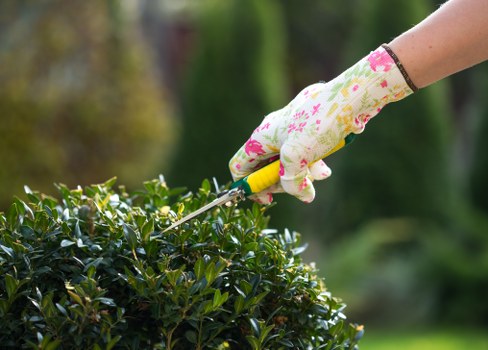 At Gardeners Longlands, sustainability is built into every part of our work, from the way green waste is managed to the choice of vehicles used to travel across local streets and communal gardens. Our approach to recycling in Longlands is designed to reduce landfill, recover useful materials, and support a cleaner local environment. By separating organic matter, packaging, and reusable plant materials where possible, we help make routine garden care more responsible and more resource-efficient.
We aim for a high recycling percentage target across our garden maintenance operations, with a clear focus on diverting as much material as possible away from disposal. This means prioritising composting for leaves, grass cuttings, prunings, and soil-based debris, while also identifying recyclable items from site clearances such as plastic pots, cardboard wraps, and metal fixings. In practical terms, our goal is to keep recyclable and compostable materials in circulation rather than sending them to waste streams unnecessarily.
Across the boroughs we serve, local waste policies increasingly encourage residents and businesses to separate materials more carefully, and our working methods reflect that wider borough approach to waste separation. We support this by keeping different waste types distinct during collection and loading, which helps improve recycling outcomes at local transfer stations and sorting facilities. This attention to separation matters especially in garden settings, where organic waste can be contaminated if it is mixed with general rubbish.
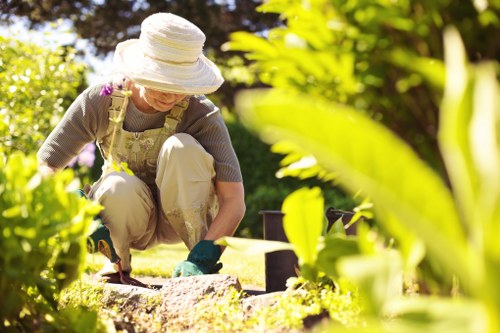 A major part of our sustainable gardening service is making smart use of nearby transfer stations. By transporting waste to local transfer stations rather than relying on longer haul journeys, we can reduce travel distances and improve the efficiency of disposal and recovery processes. These facilities are important links in the recycling chain, allowing green waste, soil, and selected recyclable items to be directed to the most appropriate treatment or processing route.
Our team is also attentive to the types of materials commonly generated in domestic and commercial gardens throughout the area. In addition to green waste, we often manage timber offcuts, old edging, broken containers, and mixed landscaping debris. Wherever possible, these items are assessed for recycling or reuse, with reusable materials separated from non-recoverable waste. For example, untreated wood may be routed toward recycling streams, while soil and plant matter are typically directed to composting or organic recovery pathways.
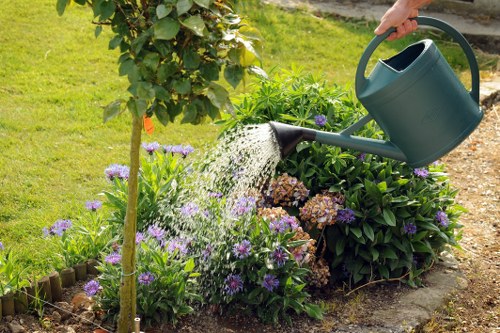 We also work in partnership with local charities and community groups to make sure some items receive a second life. When garden clearances uncover pots, tools, planters, furniture pieces, or decorative items in usable condition, we aim to pass them on through charity partnerships where appropriate. This reduces waste and supports local organisations that can redistribute useful goods to households, community projects, or fundraising initiatives. It is a practical way to extend the lifecycle of materials that still have value.
Low-Carbon Operations for Greener Garden Care
Our commitment to sustainability goes beyond recycling alone. We are continuously improving the environmental profile of our operations through the use of low-carbon vans and efficient route planning. These vehicles help reduce emissions associated with site visits, material transport, and waste transfers. Combined with careful scheduling, they support a lower-impact way of delivering garden services across Longlands and nearby neighbourhoods.
Where possible, we consolidate journeys so that waste collection, tool transport, and material delivery can be handled with fewer trips. This not only lowers fuel use but also supports more responsible waste handling by linking service visits with direct delivery to the relevant recycling or recovery point. For larger clearances, we select transport arrangements that balance capacity, efficiency, and environmental performance.
We also consider the sustainability of what happens after collection. Organic waste from pruning and mowing can often be converted into compost, mulch, or soil improver, returning nutrients to the landscape. This helps close the loop in a way that benefits local planting schemes and supports healthier growing conditions. In this sense, garden waste recycling is not simply about disposal; it is about turning materials back into useful resources.
Responsible Recycling Practices in Longlands
Our recycling process is designed with local conditions in mind. In areas where borough rules encourage separate bins or dedicated streams for garden waste, we mirror that discipline in our own handling procedures. That can include keeping green waste apart from mixed rubbish, separating recyclable hard materials, and identifying items that may require specialist processing. Such care helps improve the quality of recovered materials and supports better outcomes at the point of sorting.
We also recognise that many clients want a service that reflects broader sustainability goals. Whether it is a regular maintenance visit or a larger clearance, our process is shaped around reducing waste volume, avoiding unnecessary disposal, and supporting re-use wherever suitable. This includes thoughtful decisions about packaging, storage materials, and the selection of supplies that create less environmental burden over time. In every case, our aim is to make eco-conscious garden services feel practical and dependable.
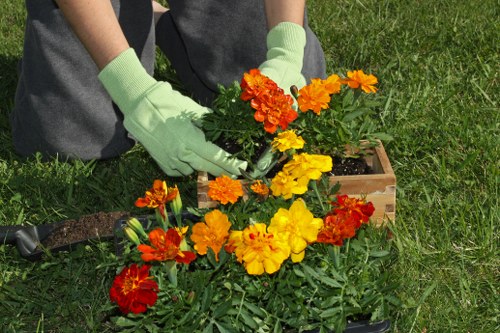 As part of our long-term sustainability approach, we look for ways to improve recycling rates year by year. Monitoring how much of the collected material can be composted, recycled, reused, or diverted to specialist recovery helps us identify opportunities for better performance. That focus supports our recycling percentage target and keeps environmental responsibility at the centre of our day-to-day operations.
Why Sustainable Gardening Matters
Choosing a recycling-focused gardeners service means supporting a cleaner neighbourhood while reducing pressure on landfill and transport systems. It also encourages a more circular use of resources, where green waste becomes compost, salvageable items are reused, and only genuinely unrecoverable material is disposed of. For households, landlords, and managed properties, that can make garden upkeep feel more aligned with modern sustainability standards.
 At Gardeners Longlands, sustainability is not an optional extra; it is part of how we plan, collect, sort, and transport garden materials every day. Through charity partnerships, low-carbon vans, local transfer stations, and careful waste separation, we are helping create a greener model for recycling in the garden sector. It is a practical, local approach designed to support both tidy outdoor spaces and a healthier environment for the wider community.