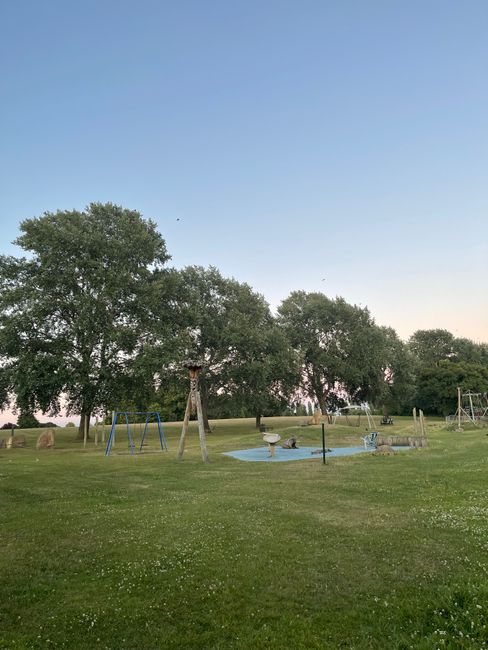
Longlands Park garden design guide for family green spaces
If you are planning a garden that works for children, grown-ups, and the everyday chaos of family life, the Longlands Park garden design guide for family green spaces is a very good place to start. A family garden has to do a lot more than look tidy on a sunny afternoon. It needs room to play, space to relax, surfaces that are safe enough to trust, and planting that does not become a constant headache. That is the real brief.
In Longlands Park, as in many London gardens, space is often limited and expectations are high. You may want a lawn for football, a patio for weekend meals, somewhere for a trampoline, and a corner that still feels calm after toys, bikes, and muddy shoes have had their turn. This guide breaks the process into clear steps, so you can create a green space that feels practical, welcoming, and resilient. Not perfect. Just properly usable. And that matters more.
Table of Contents
- Why Longlands Park garden design guide for family green spaces Matters
- How Longlands Park garden design guide for family green spaces Works
- Key Benefits and Practical Advantages
- Who This Is For and When It Makes Sense
- Step-by-Step Guidance
- Expert Tips for Better Results
- Common Mistakes to Avoid
- Tools, Resources and Recommendations
- Law, Compliance, Standards, or Best Practice
- Options, Methods, or Comparison Table
- Case Study or Real-World Example
- Practical Checklist
- Conclusion
- Frequently Asked Questions
Why Longlands Park garden design guide for family green spaces Matters
A family garden is one of those spaces that quietly affects daily life. When it works well, children naturally spend more time outside, adults feel less boxed in, and the whole home can breathe a bit easier. When it does not work, the garden becomes a strip of underused paving, a patchy lawn, or a storage area for things that never quite found a proper place. Truth be told, a lot of gardens drift into that second category without anyone meaning for it to happen.
The Longlands Park garden design guide for family green spaces matters because family use changes everything. A decorative garden for occasional sitting is one thing. A garden used for play, hosting, planting, drying washing, running around, and the odd quiet coffee before school is another. You need a layout that handles movement, mess, changing weather, and different ages at once.
There is also a longer-term angle. Good family garden design can reduce maintenance stress, make supervision easier, and support safer play. You are not just choosing plants and paving. You are choosing how the garden will feel on a wet Tuesday evening, on a warm Saturday morning, and during those awkward in-between moments when two children want different things and one of them is standing in the herb border. That happens.
If you are thinking about a broader transformation rather than a few small tweaks, the planning stage often sits alongside landscape gardening and more general landscaping work. For ongoing upkeep, many households also lean on garden maintenance so the space stays family-friendly after the initial build.
How Longlands Park garden design guide for family green spaces Works
At its core, family garden design works by dividing one outdoor space into a few clear jobs. Instead of treating the garden as a single open rectangle, you give it roles: play, movement, seating, planting, storage, and sometimes dining. That is the trick. Once each area has a purpose, the whole garden becomes easier to use and easier to maintain.
In practical terms, the process usually starts with a simple site review. You look at sunlight, shade, soil type, drainage, access from the house, and how the family actually uses the space. Then you map the pressure points. Where will muddy boots come in? Where will a ball roll? Where is the safest sightline from kitchen or patio to the main play zone? Those questions sound basic, but they shape everything.
Good design also balances soft and hard surfaces. A lawn gives children room to run, but too much lawn can become a muddy chore in winter. A patio gives structure for eating and prams, but too much paving can make the garden feel hard and hot in summer. A sensible family layout blends the two, with planting used to soften edges and frame movement.
One small but important point: family gardens work best when they are forgiving. You want materials that cope with wet weather, plants that are not precious, and a layout that still makes sense when a wheelbarrow is parked in the wrong place. You do not want to be forever fussing. Nobody has time for that.
Key Benefits and Practical Advantages
A well-designed family green space offers benefits that go far beyond appearance. The most obvious one is better daily use. If the garden is arranged sensibly, children are more likely to go outside on their own, adults can supervise without hovering, and everyone gets more value from the space.
There is also a safety benefit. Clear routes, defined edges, sturdy surfaces, and sensible planting all reduce avoidable hazards. A neatly designed space does not eliminate accidents, of course, but it can remove a lot of the silly stuff: tripping over broken slabs, sliding through muddy patches, brushing against thorny shrubs, or finding tools left where little feet land.
Then there is maintenance. Family gardens tend to get heavy use, which means they need practical upkeep. Shorter mowing cycles, tidy borders, and straightforward planting schemes are easier to manage than dense, high-maintenance designs. If you want support with the day-to-day side, services like lawn care and lawn mowing can keep the green areas looking lived-in rather than neglected. That difference shows up fast.
Finally, a good family garden can support wellbeing. People naturally spend more time outside when the space is inviting. A morning in fresh air, a bit of evening light on the patio, the sound of kids splashing water or kicking a ball-small things, really, but they add up. You feel it in the home.
Practical advantages at a glance
- Clearer zones for play, sitting, growing, and storage
- Less stress from muddy or awkward circulation routes
- Better sightlines for supervising children
- More comfortable use through the seasons
- Lower maintenance when materials and planting are chosen well
- Stronger long-term value from the outdoor space
Who This Is For and When It Makes Sense
This kind of garden design makes sense for families at very different stages. Parents with toddlers need soft, visible, low-risk spaces. Families with school-age children often need room for games, bikes, and group play. Households with teenagers may want a more flexible space where people can sit together without feeling watched from every angle. And then there are multi-generational households, where grandparents, children, and visitors all need to move through the same area without awkward bottlenecks.
It is also useful if your current garden feels busy but underused. Maybe you have one tired lawn, a cracked patio, and a couple of planted beds that get kicked over every weekend. That is exactly the kind of situation where a family-first redesign pays off. It turns a patchwork of frustrations into a space with some rhythm.
Sometimes the trigger is simpler: new children in the house, a move to a property with a garden, or a long-overdue desire to make better use of the outdoor space. If there are trees, overgrown hedges, or a cluttered layout in the way, more specialist services may help. For example, tree surgery can be relevant where tree health, light, or overhanging branches are affecting the usable space, while hedge trimming can open sightlines and make the garden feel less boxed in.
To be fair, not every family needs a full redesign. Some just need a smarter circulation path, safer edges, and a few resilient planting changes. The point is to match the intervention to the real problem, not the fanciest idea in the notebook.
Step-by-Step Guidance
A good family garden does not happen by accident. It comes from a sequence of decisions that build on one another. Keep it simple, but do not rush the first steps.
1. Start with how the space is actually used
Walk through the garden as a family would. Where do shoes come off? Where do children run first? Where does the sun fall at breakfast, lunch, and early evening? Even in winter, you can notice the shape of the space and how water sits after rain. Those little observations save mistakes later.
2. Define zones before choosing materials
Before you order anything, decide where the main functions will sit. A family layout usually needs:
- a safe play area
- a main walking route from house to the far end
- one hard surface for sitting or eating
- a soft green area, often lawn or low groundcover
- storage access, ideally not in the middle of the nicest view
Once those zones are fixed, surface choices become much easier. Without zoning, people tend to make decisions one item at a time and end up with a slightly odd garden. Happens all the time.
3. Put supervision lines first
If you have younger children, sightlines matter more than almost anything else. Try to place play areas where they can be seen from the kitchen, dining area, or seating zone. A small change in layout can make a garden feel much calmer for adults.
4. Choose surfaces for durability and comfort
Family gardens are hard on surfaces. Grass, paving, decking, and gravel all behave differently. A lawn gives flexibility, but it needs feeding, cutting, and occasional repair. A patio is sturdy and practical, and a clean patio surface feels instantly more welcoming. If the existing paving is dull or slippery, patio cleaning can be a useful part of the refresh. Decking can work too, especially in dry seating areas, and decking services may suit spaces where level changes or a raised sitting area are needed.
5. Build in easy maintenance from the start
Choose planting that can survive ordinary family life. That means robust shrubs, forgiving perennials, and borders that do not require constant deadheading just to look respectable. If your week is already full, the garden should support you rather than demand a second job.
6. Think about boundaries and privacy
Children play differently when they feel enclosed and secure. Boundary treatment is not only about security; it also helps create a sense of room. Strong fencing can define the space neatly, and fencing is often one of the most practical upgrades in a family setting. It can soften visual clutter too, which is always welcome.
7. Finish with storage, lighting, and small details
Storage sounds dull until the first time you need to gather toys, garden tools, and cushions before rain. Lighting extends use into the evening, while a hose point or simple water access makes play zones and planting much easier to manage. These are not glamorous choices, but they make the garden work on real days, not just on the day after installation.
Expert Tips for Better Results
One of the best things you can do is keep the centre of the design flexible. Families change quickly. A toddler zone may become a football patch. A seating area may later need space for a table, a climbing frame, or a teenage hangout. So build in adaptability where you can.
Here are a few practical habits that make a difference:
- Use rounded corners and smooth transitions where children move fast.
- Keep thorny or irritant plants away from the main run of play.
- Prefer a few strong materials over a mix of too many finishes.
- Leave enough width on paths for adults carrying trays, baskets, or small humans who have decided to stop walking.
- Plan for drainage early if the garden regularly holds water after rain.
Another tip: do not let the whole space become a show garden. A family green space should look good, yes, but not at the expense of use. If a planting scheme is too delicate for normal life, it will become a source of stress. And nobody needs that before breakfast.
If you are working with mature shrubs, neglected borders, or a lot of debris, a period of reset may help before the nicer details go in. In those cases, garden clearance can give you a clean base to work from. After that, a sensible planting and maintenance plan has a much better chance of lasting.
One more thing, and this comes up a lot: do not underestimate the emotional effect of a tidy edge. Clean lines around lawns, patios, and borders make a garden feel more intentional immediately. It is a small gain with an outsized effect.
Common Mistakes to Avoid
The biggest mistake is designing for the photo rather than the family. A garden can look charming in a plan and still fail on a rainy Wednesday when someone needs a dry place to stand and there is nowhere for the scooter to go. The real test is daily life.
Another common issue is overloading the garden. Too many features in a small space can make it feel cramped. Families often try to include everything-big dining table, lawn, storage, sandbox, veg beds, pergola, and a water feature. It is a lot. Sometimes less really is better.
Here are the pitfalls I see most often:
- Poor circulation: paths too narrow or too indirect.
- High-maintenance planting: beautiful, but unrealistic for busy households.
- Insufficient storage: toys and tools end up scattered everywhere.
- Weak boundaries: the space feels exposed or hard to supervise.
- Unsafe surfaces: slippery paving, uneven steps, or loose materials.
- No seasonal plan: the garden works in May and falls apart by November.
A smaller but annoying mistake is leaving the lawn as an afterthought. A tired lawn can drag down the whole garden, and in a family setting it often ends up being the hardest-working surface of all. If the grass is thin, uneven, or muddy, getting help with lawn care can be a sensible first move before bigger design work begins.
Also, do not ignore pruning. A few overgrown branches or a hedge that has quietly taken over half the light can make a lovely design feel shadowy and awkward. It is amazing how much a garden can change once the light gets in.
Tools, Resources and Recommendations
You do not need a giant toolkit to plan a good family garden, but a few practical tools help enormously. A tape measure, basic sketch paper, a notebook, and a phone camera are enough to begin. Take photos at different times of day. That morning shadow and late-afternoon glare tell you more than a quick glance ever will.
Useful planning resources include:
- graph paper or a simple scale sketch
- a list of family priorities ranked by importance
- notes on drainage after rainfall
- a rough maintenance budget, even if it is just a working estimate
- a storage plan for toys, tools, and cushions
For practical implementation, many households benefit from combining design work with ongoing care. If your existing space needs reshaping, landscape gardening can help translate the plan into a buildable layout. After installation, periodic garden maintenance keeps the structure and planting from sliding back into chaos. Small phrase, big truth.
If you are sensitive to costs, use a phased approach. Tackle the structural elements first: boundaries, hard surfaces, major planting positions, and lawn shape. Then layer in extras later. That way the garden becomes usable sooner, and you can make calmer decisions about the nice-to-have features.
Law, Compliance, Standards, or Best Practice
Family garden design is not usually a heavily regulated area in the way a building project can be, but good practice still matters. In the UK, it is wise to think carefully about surface stability, safe access, visibility, and the condition of any trees or boundary structures that could affect the space.
If there are substantial trees near seating areas, boundary fences, or play zones, make sure they are assessed and maintained appropriately. A cautious approach to tree work is sensible, especially where branches overhang a family area. The same goes for fences and retaining features: if something is leaning, loose, or damaged, it should be dealt with rather than tolerated.
For homes with children, the best practice is straightforward:
- avoid obvious trip hazards in main walkways
- keep water features shallow or securely controlled
- choose non-toxic planting where possible
- reduce sharp edges and unstable structures
- check that any raised elements are suitable for the space and age group
If a project involves trades, materials, or access constraints, it is sensible to ask about insurance, safety procedures, and how waste is handled. On larger jobs, clear communication around scope and expectations matters just as much as the design itself. That includes understanding how quotations are structured and how the work will be scheduled. A professional team should be happy to explain things plainly, without the jargon circus.
For households that want reassurance on the practical side, this website's health and safety policy, insurance and safety information, recycling and sustainability approach, and privacy policy can help set expectations before any work begins.
Options, Methods, or Comparison Table
Different family gardens need different mixes of surfaces and structure. There is no one-size-fits-all answer, which is annoying but true. The table below shows how common options usually compare in family green spaces.
| Option | Best for | Strengths | Watch-outs |
|---|---|---|---|
| Lawn | Play, flexibility, soft visual feel | Good for children, natural look, versatile | Needs mowing, watering in dry spells, and occasional repair |
| Patio | Dining, prams, pots, seating | Durable, easy to furnish, practical year-round | Can feel hard or hot if overused |
| Decking | Raised seating or level changes | Warm feel, useful on uneven sites, visually tidy | Needs proper care and can become slippery if neglected |
| Planting beds | Softening edges, habitat, seasonal interest | Adds colour, structure, and privacy | Can become messy if overplanted or hard to maintain |
| Fencing | Privacy, containment, clear boundaries | Defines the garden, improves security, helps supervision | Needs maintenance and proper installation |
For many Longlands Park homes, the strongest layout is a blend rather than a pure choice. A central lawn with a patio edge and practical boundaries often works well. If the existing hard landscaping is tired, a combination of landscaping and targeted surface renewal can change the whole feel of the garden without rebuilding everything from scratch.
Case Study or Real-World Example
Picture a typical family garden in Longlands Park: narrow side access, a worn patch of lawn, a cracked slab run near the back door, and a border that has become a tangle rather than a feature. The family wants space for children to play, a place to sit outside in summer, and a cleaner route from kitchen to garden.
The first step is often simple pruning and clearance. Removing dead growth, reducing bulky hedge lines, and clearing clutter makes the space feel larger immediately. Then the layout can be rethought. In a case like this, the best use of space might be a compact patio directly outside the house, a rectangular lawn in the middle, and a planted boundary at the far end to soften the view and create privacy.
After that, the details matter. The patio gets cleaned and made safe. The lawn is levelled and improved. The boundary is tightened up with fencing. A couple of robust shrubs go in where children are unlikely to run. A storage point is tucked away in a less visible corner. The garden may still be modest, but it becomes coherent.
That is the real win. Not luxury. Coherence. A family can step outside and understand the space at once. Where to sit. Where to play. Where to put the bike. It sounds almost too simple, but that simplicity is what makes the garden usable day after day.
Practical Checklist
Use this checklist before you commit to a design or start work:
- Have you mapped how the family actually uses the garden?
- Are the main play and sitting areas visible from the house?
- Do you have at least one comfortable hard surface for eating or relaxing?
- Is the lawn area realistic for your maintenance habits?
- Are paths wide and direct enough for day-to-day movement?
- Have you identified any uneven ground, slippery paving, or awkward steps?
- Are planting choices robust enough for children, pets, and weather changes?
- Is there enough storage for toys, tools, and garden furniture?
- Do fences, hedges, or trees need attention before the new layout goes in?
- Will the garden still work in autumn and winter, not just in summer?
If the answer to several of those is "not yet", that is fine. It just means the design needs a bit more thought before the spade comes out.
Get a free quote today and see how much you can save.
Conclusion
A strong Longlands Park garden design guide for family green spaces is really about creating a garden that feels easy to live with. Not fussy. Not fragile. Just sensible, welcoming, and ready for real family life. The best designs make room for play and calm at the same time, with good structure underneath and enough softness to keep the space feeling green.
If you focus on zoning, durability, sightlines, and manageable maintenance, you will end up with a garden that earns its keep through every season. That is the point. A family garden should support daily routines, small adventures, and quiet moments too. And when it gets that balance right, the whole home feels a little better. A bit lighter, somehow.
For help turning ideas into a practical plan, it can be useful to explore the wider range of services on the site, including gardening services, and to learn more about the company on the about us page. If you are ready to talk through your own space, the next step is straightforward.
Frequently Asked Questions
What makes a garden design suitable for families?
A family-friendly garden is easy to supervise, safe to move through, and flexible enough for play, seating, planting, and storage. It should also be realistic to maintain week after week.
How do I make a small Longlands Park garden feel bigger?
Use clear zoning, simple materials, and uncluttered edges. A compact patio, a neat lawn shape, and good boundary treatment can make a small space feel more open without removing its function.
Is a lawn still worth including in a family garden?
Yes, often it is. A lawn gives children a soft play area and makes the garden feel more relaxed. The key is choosing a size and shape you can actually maintain.
What is the best surface for children to play on?
There is no single best option, but lawns are usually the most forgiving for general play. You can also combine lawn with a good patio edge and safe planting to keep the space versatile.
How do I keep a family garden low maintenance?
Choose sturdy plants, reduce the number of different materials, keep paths simple, and make sure the lawn size matches your time and budget. A low-maintenance garden is usually a well-planned one.
Should I install fencing as part of the design?
Often yes. Fencing helps with privacy, containment, and defining the garden's boundaries. In family spaces, it can also make supervision easier and the whole layout feel more settled.
When should I bring in professional help?
If the garden needs structural changes, drainage improvements, tree work, large clearance, or a full redesign, professional help is usually worth considering. It can save time and prevent awkward mistakes.
How important is patio cleaning in a family garden?
More important than people think. A patio that is dirty or slippery can become a safety issue and make the whole space feel tired. Cleaning it can be one of the quickest visible improvements.
Can mature trees be kept in a family garden design?
Absolutely, provided they are healthy, well-managed, and not creating avoidable hazards. Mature trees can bring shade and character, but they need proper care and sensible placement.
What should I ask for in a quote?
Ask what is included, how materials are handled, what preparation is needed, how waste will be removed, and what aftercare or maintenance is recommended. A clear quote makes everything easier.
Do family gardens need special compliance checks?
They do not usually need complex formal checks, but best practice matters. Safe surfaces, stable structures, thoughtful planting, and proper care of trees and boundaries should always be part of the plan.
How do I keep the garden looking good after the work is finished?
Set up a maintenance routine early. Regular mowing, seasonal pruning, occasional cleaning, and a quick reset after busy weekends can keep the garden usable and attractive without much drama.