Starting Fresh: 9 Vital Gardening Tips for First-Timers
Are you eager to begin your gardening journey but feeling overwhelmed by where to start? Gardening is an enriching, therapeutic, and rewarding hobby for people of all ages and experience levels. If you're a first-time gardener, starting out with the right know-how can make a huge difference in your results and enjoyment. In this comprehensive guide, discover 9 vital gardening tips for beginners that will help you plant, nurture, and watch your garden flourish!
Why Should First-Timers Start Gardening?
From the satisfaction of harvesting your own vegetables to beautifying your outdoor space, the benefits of gardening are endless. Not only does it enhance your surroundings, but it also offers mental wellness, physical activity, and the chance to bond with nature. New gardeners often find that their efforts lead to a healthier lifestyle and a closer connection to the environment.
Essential Gardening Tips for First-Timers
1. Plan Your Space Thoughtfully
Before you get your hands dirty, invest time in planning your garden layout. Consider the following:
- Sunlight: Observe your outdoor space. Most plants need at least 6 hours of sunlight.
- Soil quality: Does your garden have rich, well-draining soil?
- Accessibility: Make sure you can reach all areas for watering, weeding, and harvesting.
2. Choose the Right Plants for Beginners
Not all plants are created equal--some require more care than others. For a successful gardening start, pick easy-to-grow, resilient varieties such as:
- Sunflowers
- Marigolds
- Tomatoes
- Lettuce
- Radishes
3. Invest in Quality Soil and Compost
Great gardens begin with great soil. Enrich your soil with organic matter such as compost or well-rotted manure, which provides essential nutrients and improves drainage.
- Test your soil to check pH levels and nutrients.
- Amend with compost to ensure plants thrive.
4. Water Wisely
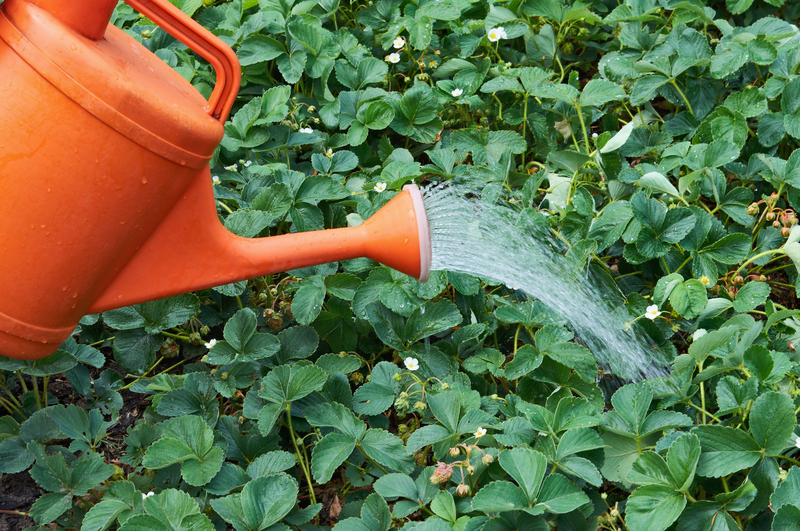
Watering is more than a daily chore--it's a vital skill for first-time gardeners. Here's what you need to keep in mind:
- Frequency: Most gardens require 1-2 inches of water per week.
- Timing: Water early in the morning or late in the afternoon to minimize evaporation.
- Method: Use a soaker hose or drip irrigation to target roots and prevent disease.
5. Mulch for Moisture & Weed Control
Mulching is a proven gardening tip for first-timers. Apply a 2-3 inch layer of mulch around your plants to:
- Retain soil moisture
- Suppress weeds
- Regulate soil temperature
6. Feed Your Plants with the Right Fertilizer
Plants, like people, need a balanced diet. Beginners can use all-purpose, slow-release fertilizers to provide essential nutrients over time.
- Read and follow package instructions for application rates.
- Avoid over-fertilizing, which can harm delicate roots.
7. Keep an Eye on Common Pests and Diseases
Don't let insects, slugs, or plant maladies get the better of your garden! Regularly inspect plants for signs of trouble like:
- Yellowing leaves
- Holes or spots on foliage
- Wilting stems
8. Practice Consistent Maintenance
Gardens thrive with a regular routine. Carve out a small amount of time a few days each week to:
- Weed your beds
- Deadhead flowers to prolong blooms
- Prune excess growth
- Harvest ripened produce promptly
9. Be Patient and Enjoy Your Fresh Start
Perhaps the most vital of all beginner gardening tips is patience. Plants take time to mature, and gardens improve every season as you gain knowledge and confidence. Celebrate small victories--your first sprout, your first flower, your first harvest.
Remember, mistakes are part of the learning process. Each challenge faced equips you with skills for future gardening successes.
Bonus Gardening Tips for First-Timers
- Join a local gardening club: Networking with other gardeners provides inspiration and support.
- Document your journey: Keep a gardening journal with notes, dates, and photos to track your progress--and your setbacks!
- Start small: A few containers or a modest garden bed allow you to learn without feeling overwhelmed.
- Use high-quality tools: Good gloves, pruners, and a sturdy trowel can make all the difference.
- Celebrate biodiversity: Mix flowers, herbs, and vegetables for a vibrant and healthy garden ecosystem.
Common Mistakes First-Time Gardeners Make (and How to Avoid Them)
Even the most enthusiastic novice gardeners stumble. Avoid these classic errors:
- Overcrowding plants: Give each plant enough space for healthy root and leaf development.
- Ignoring soil prep: Skipping this crucial step leads to undernourished, sickly plants.
- Inconsistent care: A neglected garden quickly becomes overgrown and unmanageable.
- Planting out of season: Always check recommended planting times for your climate.
- Forgetting to label: Use plant markers to identify what you've sown--especially as a beginner.
Frequently Asked Questions About Gardening for Beginners
Q: What do I need to start my first garden?
A: You'll need sunlight, quality soil, basic tools (like a spade, fork, and watering can), suitable plant seeds or seedlings, and plenty of enthusiasm!
Q: How should I choose plants as a first-time gardener?
A: Research your hardiness zone and pick reliable, low-maintenance options suited to your climate and soil.
Q: Is it better to start with seeds or plants?
A: Seeds are economical but require patience and care. Seedlings offer a head start, especially for vegetables or flowers with a long growing season.
Q: How do I prevent garden pests naturally?
A: Encourage beneficial insects like ladybugs, use companion planting strategies, and apply organic remedies only when needed.
Conclusion: Embrace Your Gardening Journey
No matter your experience or available space, your first garden provides a fresh start filled with opportunities to learn and grow. By following these 9 gardening tips for first-timers, you set the groundwork for a lush, productive, and joyful green sanctuary.
Each plant you nurture, each flower you see bloom, and every vegetable you harvest is a testament to your patience and care. Happy gardening!