Longlands Road garden maintenance guide for terraced homes
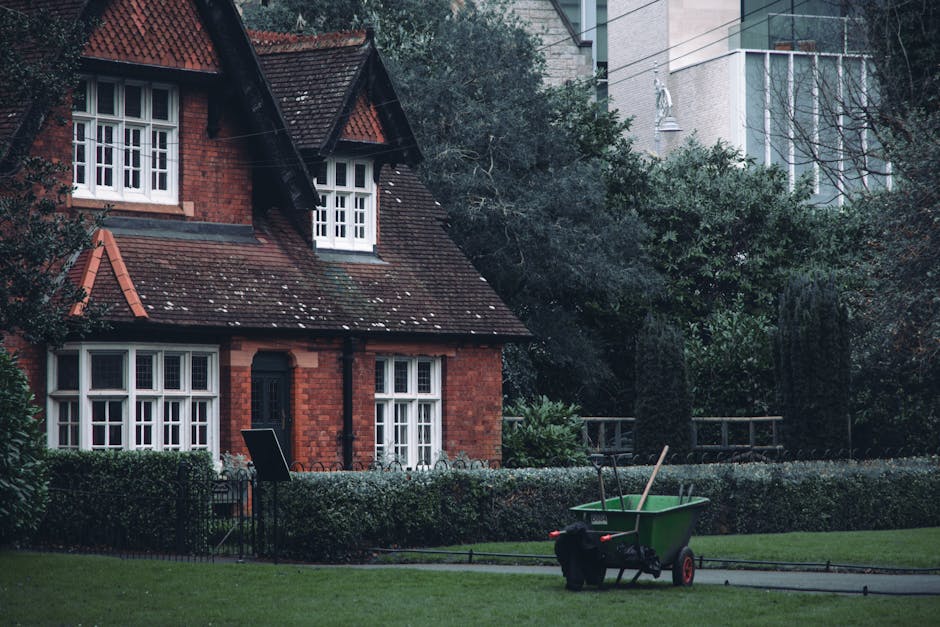
If you live in a terraced home on Longlands Road, you already know the garden is usually compact, overlooked, and shared with a surprising amount of pressure from weather, neighbours, shade, and plain old daily life. A small space can still be lovely, though. In fact, with the right routine, a terraced garden often becomes easier to maintain than a bigger one - if you stay ahead of the little jobs. This Longlands Road garden maintenance guide for terraced homes is built to help you do exactly that, with practical advice that fits real UK gardens rather than glossy brochure fantasy.
Whether you are trying to tame overgrown borders, make a narrow patio feel usable, or keep a tiny lawn from turning into a mud patch by October, the approach is similar: simplify the layout, choose resilient planting, and build a maintenance rhythm you can actually keep. Let's get into it.
Why Longlands Road garden maintenance guide for terraced homes Matters
Terraced-home gardens have a few quirks that make them behave differently from front gardens or larger suburban plots. They are often long and narrow, sometimes shaded by fences or buildings, and frequently exposed to wind tunnels between properties. Add in limited storage, awkward access, and a strong chance that every square metre needs to earn its keep, and you can see why maintenance becomes more than a tidy-up job. It becomes part design, part routine, part damage control.
Here is the thing: a neglected small garden looks untidy quickly. Leaves pile up in corners, self-seeded weeds appear almost overnight, and one wet week can leave paths slippery and borders messy. On the other hand, a well-maintained terraced garden feels calm, usable, and surprisingly spacious. That matters if you use the space for morning coffee, children, pets, or just a bit of fresh air after work.
If you are starting from scratch or bringing a tired plot back to life, it can help to read a broader introduction such as vital gardening tips for beginners or, if your garden has been neglected for a while, practical ideas for rescuing an abandoned garden. Both pair well with the realities of terrace-life gardening.
How Longlands Road garden maintenance guide for terraced homes Works
The basic method is simple: work with the size and shape of the garden, not against it. A terraced garden usually benefits from a maintenance plan that divides the space into a few clear zones. Think of it as tiny-site gardening. You are not maintaining a wild landscape; you are looking after a compact outdoor room.
In practical terms, that means:
- keeping the layout clear enough to move around easily
- choosing plants that suit the light, wind, and moisture levels
- stopping weeds before they establish themselves
- managing hedges, climbers, and edges before they sprawl
- making hard surfaces, fences, and storage part of the plan rather than afterthoughts
A lot of terraced gardens also need more frequent but lighter upkeep. A 20-minute session every week often beats a big Saturday battle once a month. Truth be told, that is usually the difference between a garden that feels liveable and one that becomes "one of those jobs".
If your garden gets battered by gusts or weird pocket winds between buildings, it may be worth understanding the layout better through wind management ideas for gardens. That sort of detail matters more in terraces than people expect.
Key Benefits and Practical Advantages
A smart maintenance routine does more than keep things neat. It changes how you use the space. That is a big deal in terraced homes, where the garden often doubles as a washing area, social space, storage edge, and mini retreat. A tidy, healthy garden feels larger because your eye has somewhere to go.
Here are the main benefits:
- Less weekly stress: small, regular tasks are easier than emergency clear-ups.
- Better drainage and less mess: compact gardens can become boggy fast if leaves and debris are left to build up.
- Improved privacy: well-kept hedges, climbers, and screens make close neighbours feel less intrusive.
- Safer surfaces: cleaner paths and patios reduce slips, especially in wet weather.
- More usable space: neat edges and clear levels make even narrow gardens work harder.
- Healthier planting: regular pruning, feeding, and watering support stronger growth.
There is also the resale and day-to-day value angle, although that should not be the only reason. A terraced garden with a sense of care is simply nicer to live with. And that is the point, really.
For low-effort ideas that still look good, you may find simple low-maintenance garden ideas useful, especially if you want the garden to look better without adding more chores.
Who This Is For and When It Makes Sense
This guide is for anyone living in a terraced house who wants the garden to stop feeling like a backlog and start feeling like part of the home. That includes first-time homeowners, busy families, older residents who want less heavy lifting, and landlords or tenants managing a compact outside space.
It also makes sense if any of these sound familiar:
- you have a narrow rear garden with limited access
- the lawn turns scruffy quickly because of foot traffic or shade
- your fence line is overrun with climbers or ivy
- the patio gets slippery and green by autumn
- you want privacy without making the garden feel boxed in
- you need the garden to work for children, pets, or both
There is a point where a do-it-yourself routine is enough, and a point where a more regular service starts to make sense. If your garden needs recurring care for mowing, pruning, edging, or seasonal tidy-ups, a dedicated approach such as garden maintenance support can save you a lot of catch-up work later.
Step-by-Step Guidance
Here is a practical maintenance routine you can adapt to a terraced home. It is deliberately simple. Complicated systems tend to collapse after a busy month and a bit of rain.
1) Start with a clean layout
First, look at the garden as a whole. What do you actually use? What blocks movement? What creates mess? Remove broken pots, stray timber, dead plants, and anything that has become a magnet for weeds or damp. In a terrace garden, clarity makes a huge visual difference.
2) Control the edges
Edges are everything in a small garden. Trimming along borders, walls, and paths keeps the space looking deliberate rather than untidy. A crisp edge also helps stop grass and weeds from creeping into planting beds. If you need help keeping boundaries sharp, hedge trimming in Longlands is a sensible related service to consider for the parts of the garden that frame the space.
3) Keep surfaces clean
Terraced gardens often have patios, narrow paths, or small seating areas, and those surfaces show dirt fast. Algae, leaf tannin, mud, and general grime build up quietly. A regular sweep is useful, but periodic deep cleaning makes a bigger difference than most people expect. If the paving is looking tired, patio cleaning can bring back the brightness without replacing the whole area.
4) Prune before plants get bossy
Plants in compact gardens need a firmer hand than they do in open borders. Prune shrubs, climbers, and hedges before they start shading out smaller plants or overhanging paths. Ivy, in particular, can become a proper nuisance if you let it settle in. If that sounds familiar, the guide on getting ivy under control is worth a look.
5) Treat weeds as a routine, not a surprise
Weeding works best when it is small and frequent. Pulling young weeds after rain is easier than attacking tough, rooted growth later. Mulch helps. So does dense planting in the right places. If you want more prevention-focused advice, read these weed-free gardening tips.
6) Build plant choices around the light
Not every terraced garden is sunny, and forcing sun-loving plants into shade usually ends in disappointment. Watch the garden at different times of day. North-facing stretches often suit ferns, evergreen climbers, and shade-tolerant ground cover. If you are short on inspiration, evergreen climbers for shady areas can solve a lot of gloomy-corner problems.
7) Leave some breathing room
Do not crowd every inch. Small gardens can get visually heavy if every corner is packed with pots, ornaments, and plants. A little space helps the garden feel cleaner and calmer. That one often surprises people. Less can genuinely look better.
8) Finish with seasonal tasks
At the end of each season, do a simple reset: clear leaves, cut back dead growth, check drainage, top up mulch, and inspect timber or fencing for wear. Small, regular resets prevent the sort of decline that feels overwhelming in spring.
Expert Tips for Better Results
In our experience, the gardens that stay nicest are not the ones with the rarest plants. They are the ones with the best habits. A few professional-style habits make a big difference in terrace gardens.
- Use containers strategically: pots let you change height, colour, and structure without digging up the whole garden. They are brilliant for narrow spaces. If you want to explore the idea more, container gardening is a helpful starting point.
- Think vertically: walls, fences, and trellises are valuable surfaces in terraced homes. Use climbers, shelves, and wall planters to free up floor space. The article on vertical gardens fits this approach neatly.
- Choose durable ground cover: if you are tired of bare soil and constant weeding, a good ground cover plant can stabilise the space and soften hard edges. See ground cover plants suited to UK gardens.
- Keep one focal point: a bench, planter, or small tree gives the eye a place to rest. Without it, a tiny garden can feel visually scattered.
- Prune for shape, not just size: especially in a terraced setting, plants should look intentional from the kitchen window as well as from the patio.
One small but useful habit: spend two minutes looking at the garden from indoors before you start work. You will spot the messy bits faster. Funny how often that helps.
If your aim is a more serene, low-clutter feel, you might also enjoy turning a garden into a calm retreat. Same space, different mood.
Common Mistakes to Avoid
Terraced gardens often fail for predictable reasons. The good news is that most of them are easy to avoid once you know what to look for.
- Ignoring access: if you cannot move around the garden easily, maintenance becomes a chore every time.
- Choosing thirsty or oversized plants: they may look lovely in the nursery and then become too much for the space.
- Letting climbers run wild: they are fantastic for privacy, but they need supervision.
- Skipping drainage checks: puddles and compacted soil can turn a neat garden into a soggy mess.
- Overfilling with decor: too many ornaments can make a small garden feel cramped, not charming.
- Doing everything at once: a full overhaul is exhausting. Smaller phases are usually better.
It is also easy to overlook the boundary line. In terraces, fences, walls, and neighbour-facing edges shape how the whole garden feels. If privacy is a priority, it may help to compare planting with structure through privacy hedge ideas or, where structure needs replacing, fencing options such as fencing services.
And yes, overwatering is still one of the classic mistakes. People mean well. Plants do not always agree.
Tools, Resources and Recommendations
You do not need a shed full of gear to keep a terraced garden in good shape. A compact, reliable kit is better than ten tools you never reach for.
Useful tools
- hand trowel and hand fork
- bypass secateurs for clean pruning
- long-handled loppers for thicker stems
- stiff broom and leaf rake
- watering can or hose with an adjustable spray
- gloves that you actually like wearing
- bucket or trug for clippings and weeds
If you are buying or updating kit, the article on key tools for every avid gardener is a sensible companion read. It cuts through the noise a bit.
Useful service support
Sometimes the smartest resource is not a tool, but a bit of specialist help. For example:
- regular mowing and edging are easier to outsource if the lawn is small but persistent
- stubborn patio grime may need a deeper clean than a broom can manage
- fast-growing hedges or climbers may need professional shaping
- larger woody growth may call for careful tree surgery rather than guesswork
If that is where you are headed, you can compare relevant support such as lawn mowing, lawn care, tree surgery, and general gardening services. For some households, that mix is the difference between "always behind" and "pleasantly under control".
Law, Compliance, Standards, or Best Practice
Garden maintenance in a terraced home is not usually a heavily regulated activity in the day-to-day sense, but best practice still matters. Safety, waste handling, and neighbour awareness are all part of a responsible routine.
A few principles are worth keeping in mind:
- Work safely with tools: sharp blades, ladders, and powered equipment should be used carefully and stored properly.
- Be considerate with noise and access: terraced streets are close quarters. Early-morning power tool sessions are rarely popular, to be fair.
- Dispose of garden waste responsibly: don't leave bags or clippings blocking shared access or drainage points.
- Check boundaries before altering structures: fence lines, shared walls, and climbing plants can all become awkward if boundaries are unclear.
- Use appropriate protective gear: gloves, eye protection, and sturdy footwear are simple but sensible habits.
If you are hiring help, it is also wise to check business standards around safety, insurance, and payment. That is just common sense. Pages such as insurance and safety, health and safety policy, payment and security, and terms and conditions can help you understand how a professional service approaches those basics.
For broader company background, about us is useful too. And if you want to ask about a specific garden on Longlands Road, the most direct next step is to get in touch.
Options, Methods, or Comparison Table
There is no single correct way to maintain a terraced garden. The best method depends on how much time you have, how busy the garden is, and how ambitious you want the space to be. Here is a plain comparison to make the choice easier.
| Approach | Best for | Pros | Trade-offs |
|---|---|---|---|
| Weekly DIY upkeep | Small gardens with simple planting | Low cost, flexible, good for people who enjoy pottering | Can slip behind quickly if life gets busy |
| Seasonal deep tidy + light weekly care | Most terraced homes | Balanced workload, garden stays presentable year-round | Needs discipline and a clear checklist |
| Regular professional maintenance | Busy households or gardens with fast growth | Consistent results, less stress, better finish | Ongoing cost, requires clear brief |
| One-off restoration | Overgrown or neglected spaces | Fast visual improvement, good restart point | Needs follow-up or the garden can relapse |
If your main goal is to keep the garden tidy without constant work, a hybrid approach is usually the sweet spot. A little maintenance now saves a lot of slog later. That is not glamorous advice, but it is honest.
Case Study or Real-World Example
Here is a very typical terraced-garden scenario. A narrow rear garden had an ageing patio, a tired strip of lawn, a fence line covered in tangled growth, and two corners that had become a home for weeds and broken pots. It looked worse than it was. The issue was not size. It was drift.
The fix started with a simple reset: clear the clutter, trim the boundary growth, clean the patio, and decide which plants actually earned their place. The lawn was kept small and manageable rather than trying to stretch it across the whole space. One climbing plant was trained neatly up a fence panel, and a row of sturdy containers replaced the old mix of random pots. The whole garden became easier to maintain almost immediately.
What changed most was not the planting list. It was the routine. The owners began doing little jobs often: sweep after wet weather, deadhead, check for weeds, and trim before plants became too heavy. After a few weeks, the garden looked less crowded and somehow more generous. Funny how that works. A smaller, clearer space can feel bigger than a cluttered one.
If your garden is in that sort of state, a one-off reset might be the best way to begin before settling into a steadier rhythm. That is often the cleanest path forward.
Practical Checklist
Use this checklist as a quick monthly or fortnightly reset for a terraced garden.
- Remove dead leaves, litter, and loose debris
- Check for weeds along edges, cracks, and fence lines
- Trim overgrown shrubs, climbers, or hedge growth
- Sweep patios and paths
- Inspect drainage after heavy rain
- Water containers and thirsty plants as needed
- Deadhead flowers and remove damaged foliage
- Check fences, gates, and trellis supports
- Top up mulch where soil is exposed
- Review whether any plant has outgrown its spot
Expert summary: In a terraced home, a good garden maintenance plan is less about grand redesigns and more about keeping the space clear, resilient, and easy to enjoy. Small actions, done consistently, beat rescue missions every time.
Conclusion
A terraced garden on Longlands Road does not need to be large to be rewarding. It just needs a sensible routine and a layout that respects its size, light, and boundaries. Once you stop treating it like an outdoor spare room and start treating it like a lived-in part of the home, maintenance becomes much easier to manage.
Keep the edges neat, prune before things get out of hand, choose plants that suit the site, and build a habit you can actually repeat. That is the real secret. Not perfection. Just steady care, week by week, and a bit of patience when the weather gets on your nerves.
Get a free quote today and see how much you can save.
Frequently Asked Questions
How often should a terraced home garden be maintained?
For most terraced gardens, a light weekly tidy and a deeper monthly check works well. If the space has fast-growing hedges, heavy shade, or lots of foot traffic, you may need to do a bit more. Little and often tends to win.
What is the biggest maintenance issue in small terrace gardens?
Weeds, clutter, and overgrowth usually cause the most trouble. In a small space, those three things make everything look messier faster than in a larger garden.
Are lawn-free terrace gardens easier to look after?
Often, yes. If you replace part or all of the lawn with paving, planting, or containers, upkeep can become simpler. That said, a well-kept small lawn can still work nicely if you want a softer look.
How do I keep a narrow garden from feeling cramped?
Use vertical planting, keep surfaces clear, and avoid overfilling the space with too many pots or ornaments. A single strong focal point usually helps more than lots of little distractions.
What plants work best in a terraced house garden?
It depends on the light and exposure, but compact shrubs, ground cover, shade-tolerant plants, and carefully chosen climbers are usually reliable. Always match the plant to the site rather than picking based on looks alone.
How do I deal with shady corners near fences or walls?
Shady corners often do well with evergreen climbers, shade-tolerant planting, and good soil improvement. If the area feels gloomy, use structure and foliage rather than trying to force bright-border plants into it.
Do I need professional help for garden maintenance?
Not always. But if the garden is overgrown, awkward to access, or difficult to keep on top of, professional support can save time and make the space more manageable. It is especially useful for recurring maintenance.
How can I reduce weeds without using harsh methods?
Regular hand-weeding, mulch, dense planting, and keeping bare soil to a minimum all help. The key is consistency. Letting weeds settle for weeks makes the job much harder.
What should I do before winter in a terraced garden?
Clear leaves, cut back dead growth, protect tender plants, check drainage, and make sure patios and paths are not slippery with algae or debris. Winter always exposes weak spots, so it is worth preparing early.
Can climbers help with privacy in terrace gardens?
Yes, very much so. Climbers can soften fences and create visual screening without taking much ground space. The main thing is to keep them pruned so they do not become a maintenance headache.
How do I make a terraced garden lower maintenance?
Reduce lawn area, use containers wisely, choose resilient planting, and keep the design simple. A tidy, well-structured garden is much easier to maintain than a crowded one. That is the heart of it.
What is the first job I should tackle if the garden looks rough?
Start with clearing debris and cutting back the worst overgrowth. Once the space is visible again, it becomes much easier to decide what to keep, what to remove, and what needs professional attention.
For any garden that feels a bit too much to handle alone, a careful, local approach is usually the best one. You do not need to do everything at once. Honestly, most good garden spaces are built in layers, not leaps.